Ohio's 90-day gas tax holiday takes effect Sunday, Oct. 4, but drivers filling up in New Albany and Gahanna should not expect an immediate 38.5-cent drop at the pump.
Gov. Mike DeWine signed House Bill 519 on Thursday, Oct. 1, suspending the state's 38.5-cent-per-gallon gas tax and 47-cent-per-gallon diesel tax through Jan. 2, 2027. The bill passed the Ohio Senate 26-5 and the House 78-6 in an emergency session on Wednesday, Sept. 30, NBC4 reported.
Patrick De Haan, head of petroleum analysis at GasBuddy, said prices will likely fall 5 to 10 cents per day starting Monday and continue dropping over the next seven to 10 days. He told NBC4 that most of the savings should reach the retail level by Saturday, Oct. 10.
"Don't expect to wake up Sunday … you're not going to see a 39-cent reduction because some stations are still going to have possibly thousands of gallons that they still paid a tax rate for," De Haan said.
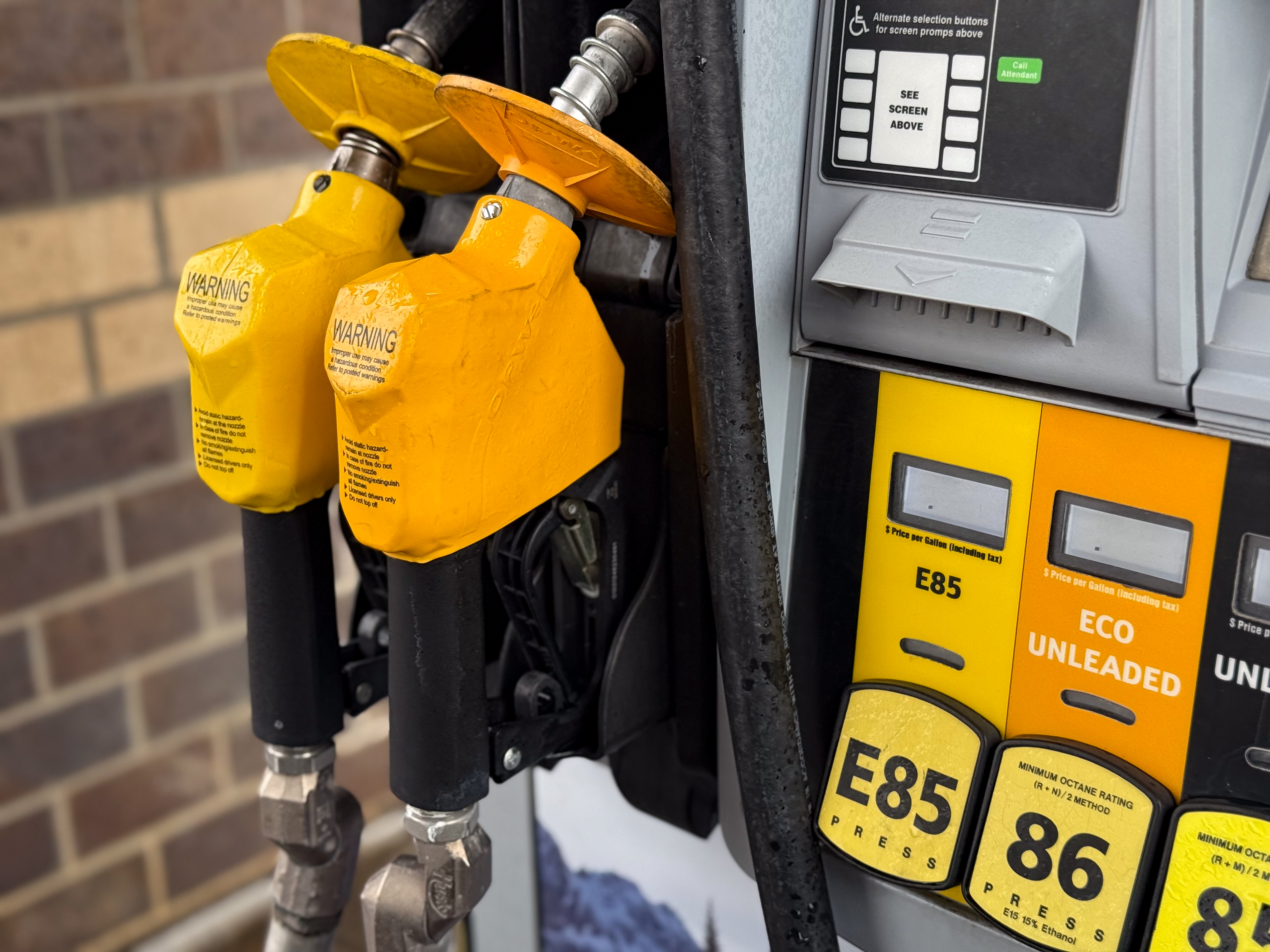
The delay comes down to how the tax works. Ohio's gas tax is collected at the wholesale level. Stations won't save money until they refill their underground tanks with untaxed fuel, and not every station will refill on the same day. De Haan recommended drivers who can wait buy only a couple of gallons Friday or Saturday and hold off until midweek for the full discount.
As of Thursday, Oct. 1, the average price of gas in Ohio was about $4.20 per gallon, according to AAA. Diesel sat at a near-record $6.66 per gallon. Ohio gas prices had already dropped about 21 cents in the week ending Oct. 1 because of falling oil prices and station competition, according to GasBuddy. De Haan said if oil prices keep trending down, the tax holiday could push average Ohio gas prices below $4 a gallon.
The Ohio Legislative Service Commission estimated the average driver could save as much as $55 over the 90-day holiday, or roughly $3 to $7 per fill-up, Cleveland.com reported.
How the state covers the $725 million gap
The holiday will cost the state an estimated $725 million in lost tax revenue. Lawmakers said the gap will be covered by surplus general fund dollars, keeping road-project funding intact.
That pledge matters locally. In fiscal year 2025, Ohio collected about $2.75 billion in motor-fuel taxes. More than $1.5 billion went to the state highway system, and about $983 million flowed to cities, counties and townships, according to figures cited in a Cincinnati Enquirer opinion column. No breakdown specific to New Albany or Gahanna was available.
State Rep. Jim Thomas, R-Jackson Twp., a bill co-sponsor, said on Sept. 24 that lawmakers would "replace the lost revenue for local governments and the state highway funds, and so they will all be made whole," WOSU reported.
Before signing the bill, DeWine had voiced concern about the plan's impact on local road budgets. On Sept. 28, when an earlier version would have drawn directly from Ohio Department of Transportation funds, DeWine warned that the suspension would take "a massive amount of money away from our townships, our villages, our cities, and our counties," the Ohio Capital Journal reported. The final bill uses general fund surplus instead.
The holiday expires Jan. 2, 2027. Ohio's next governor takes office Jan. 11, 2027.