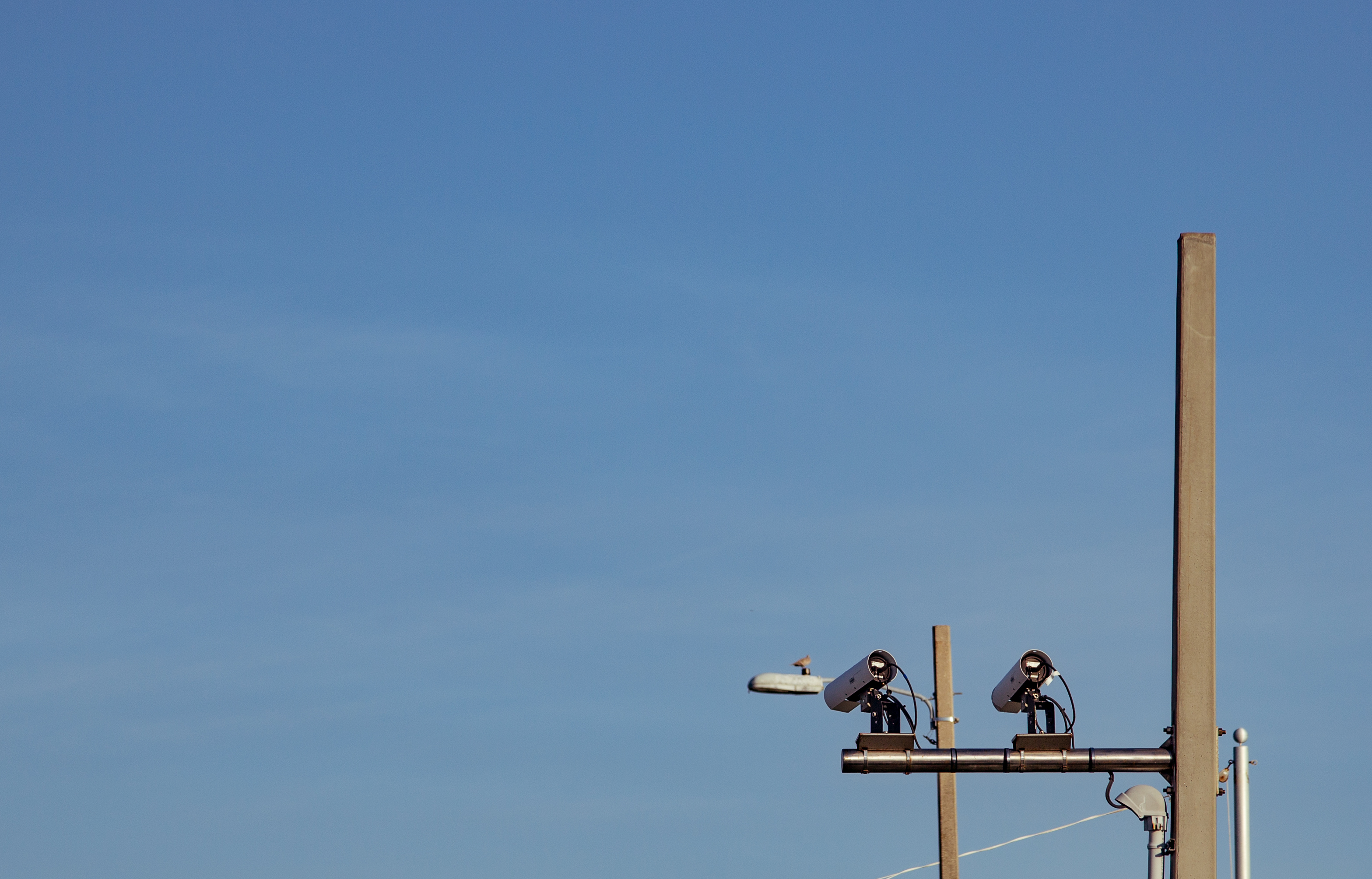
Both candidates for Ohio attorney general laid out specific proposals on Aug. 12, to regulate Flock license plate cameras, including warrant requirements and restrictions on federal access to local police data. For Gahanna, where the Division of Police credits Flock with solving or generating leads in more than 80 cases since July 2025, the proposals could mean new legal constraints on how the department uses and shares its camera data.
State Auditor Keith Faber, the Republican nominee, and Upper Arlington attorney John Kulewicz, the Democratic nominee, spoke to NBC4 about how they would handle Flock oversight if elected in November.
Faber drew a line between using Flock to locate a specific car at a specific time and building what he called a "mosaic" of someone's life and movements. The latter, he said, should require a warrant.
"As a civil libertarian, I am somebody who is concerned about Big Brother," Faber told NBC4. "But in the end, we want to make sure that the law enforcement has the tools to solve crimes."
Faber called current reliance on individual police departments' internal policies "a little soft" and pledged to work with the Ohio General Assembly to write controls into state law.
Kulewicz said he supports Flock cameras as long as the public can access records showing how police use them. He also said he would be comfortable restricting Flock data to state and local law enforcement only, effectively blocking federal agencies from searching local police databases.
That federal-access question is central to the broader debate. A Columbus police data audit released in July revealed that federal agencies searched Columbus Flock data more than 15,000 times over three years. That revelation triggered a nearly six-hour Columbus City Council hearing on Monday, Aug. 10, where public comment ran overwhelmingly against keeping the cameras.
What it means for Gahanna
Gahanna Police told NBC4 that law enforcement agencies on the Flock network have access to the shared database, but that the department does not directly share information with other agencies. The department has not publicly addressed whether federal agencies can access Gahanna data through the broader network, a gap we noted Aug. 5.
If Faber's warrant-for-mosaic standard becomes law, Gahanna officers would need court approval before using Flock to track a vehicle's pattern of movements over time. If Kulewicz's federal-access ban takes effect, agencies like ICE or the FBI could no longer search Gahanna's Flock records through the shared network.
Both candidates agreed the legislature should set a single statewide standard rather than leaving each department to write its own rules. Kulewicz said if lawmakers have not acted by the time he takes office, he would convene a statewide task force.
A June Tulchin Research poll showed Faber and Kulewicz tied at 34% each, with 32% of likely voters undecided. The general election is Nov. 3.
No Flock-related legislation has been introduced in the Ohio General Assembly, and Columbus City Council set no follow-up date after its Aug. 10 hearing. Columbus must decide whether to renew its own Flock contract by December.