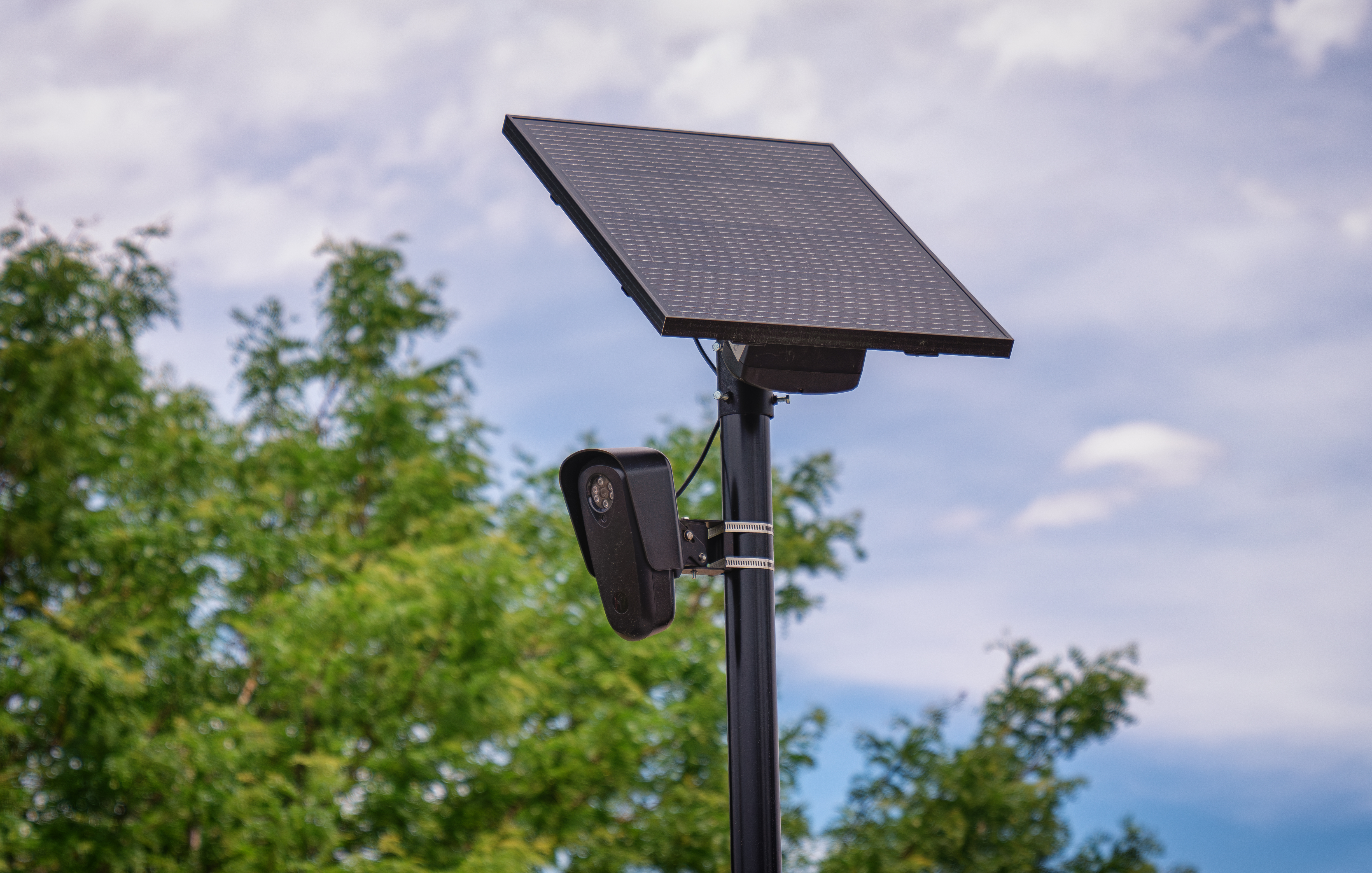
Gahanna's network of Flock license plate reader cameras has helped solve more than 80 crimes or generate leads since July 2025, the department told NBC4 in a report published Aug. 5.
The disclosure came as central Ohio law enforcement agencies face mounting questions about how they share data collected by the AI-powered cameras, and whether that data has been used for federal immigration enforcement.
What Gahanna says about data sharing
Gahanna Police said agencies within the Flock network can access the shared database, but the department does not directly share information with other law enforcement agencies outside that network.
The distinction matters.
A July 2026 Columbus Police audit found more than 15,000 possible immigration-related searches in Columbus' Flock system since 2024, including queries from U.S. Border Patrol and Homeland Security Investigations. Columbus police later said stricter filters would reduce that number to roughly 300 confirmed immigration-related searches.
The cameras capture license plates along with vehicle make, model, color and distinguishing features like bumper stickers or dents. Flock Safety, the company behind the technology, retains scan data for 30 days before deleting it.
Regional debate intensifies
Columbus Division of Police Chief Elaine Bryant told NBC4 the department has shifted to one-to-one data sharing, vetting each partner agency and county individually to ensure sharing aligns with city policies. Columbus has banned the use of city resources for immigration enforcement since 2017.
Columbus City Council will host a public hearing Aug. 10, at 4 p.m. to discuss Flock concerns. Representatives from Columbus police and Flock Safety are expected to attend.
The hearing follows a turbulent stretch for the technology in central Ohio. Two Reynoldsburg police officers resigned over possible misuse of Flock cameras, with one officer found to have searched the same license plate 53 times over six months. Columbus launched a public transparency portal on July 27 showing camera activity, search volume and sharing practices.
Scale of the network
A WOSU investigation published in April confirmed contracts for 319 Flock cameras across 15 Franklin County police departments, totaling nearly $2 million. The advocacy group DeFlock.org has mapped approximately 500 cameras countywide, including those operated by private businesses.
Ohio has no state law governing how police can use surveillance technology like Flock. Only Dayton and Yellow Springs have enacted local oversight ordinances. Gary Daniels, legislative director for the ACLU of Ohio, told WOSU in April that the lack of regulation makes Ohio "quite literally the Wild West."
What it means for Gahanna
Gahanna's 80-plus cases put the department in line with other suburban agencies touting Flock's effectiveness. Upper Arlington Police reported more than 200 investigations assisted since the start of 2026; Dublin documented at least 135 successes since spring 2024.
Whether Gahanna will adopt additional transparency measures or adjust its sharing settings remains unclear. The department has not announced plans for a public portal similar to those launched by Columbus and Hilliard.