A bill introduced in the Ohio House could upend New Albany's position as the state's data center capital by requiring voter approval for every new facility, banning the tax incentives the city uses to recruit operators and imposing strict environmental standards on existing campuses.
House Bill 983, sponsored by Republican Reps. Jennifer Gross of Butler County and Michelle Teska of Warren County, would require a public vote in every municipality and township within five miles of any proposed data center with a peak electric load over one megawatt, according to an Ohio Capital Journal analysis published Aug. 6. Permits issued without voter approval would be void.
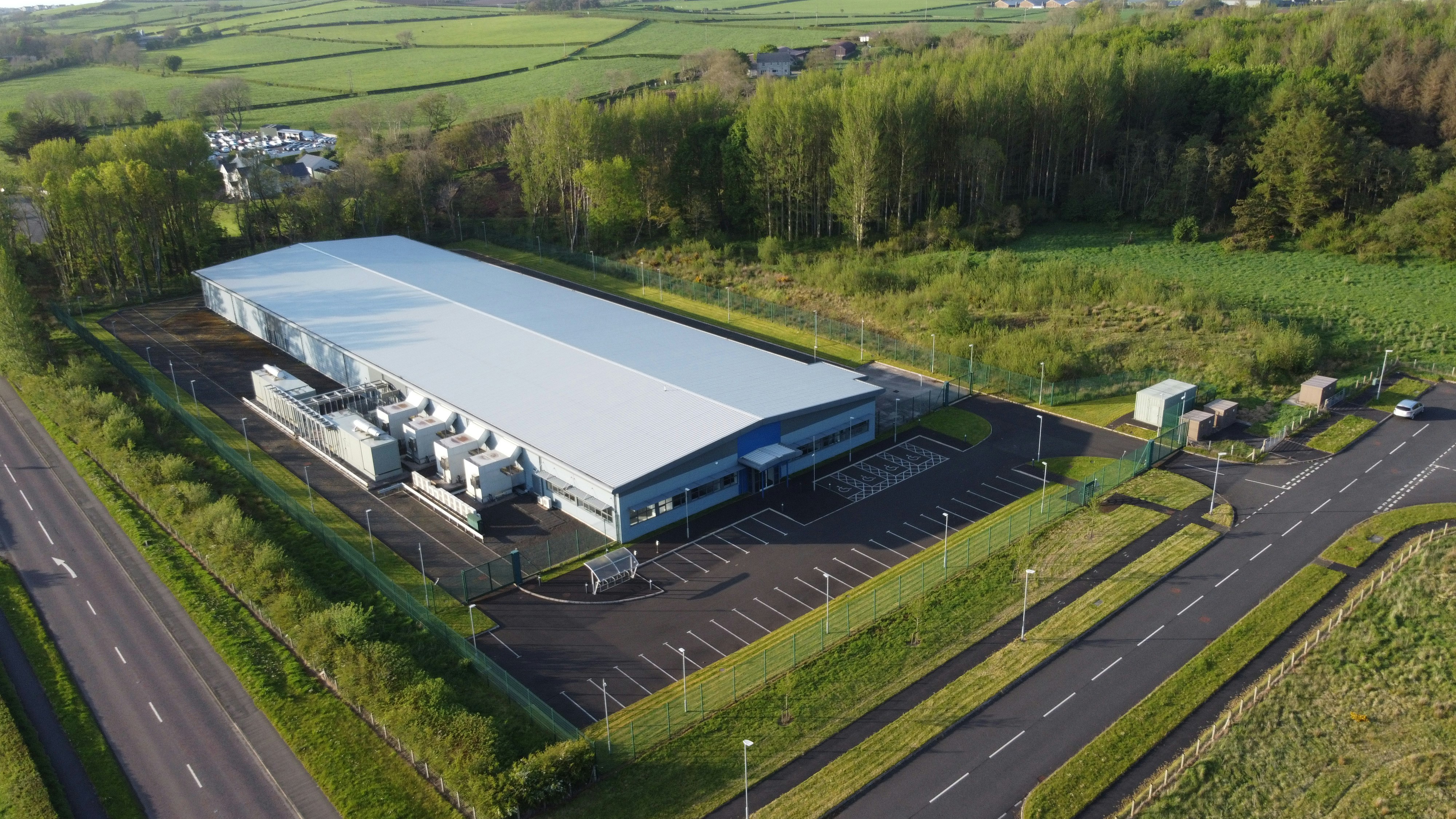
New Albany has hosted data centers since 2010 and is home to hyperscale campuses operated by Meta, Amazon Web Services and Google, with multiple additional projects in the pipeline. The city's December 2025 community development report lists active engineering reviews for facilities including a Meta project, QTS NAL 3, Centra Data Center and Rose Run 2.
What the bill would do
Under HB 983, local governments could no longer offer property tax abatements for data centers or associated power plants. New Albany's recruitment strategy relies on Community Reinvestment Area abatements, which can run 15 years or longer for qualifying projects. The city credits those agreements with helping it earn AAA bond ratings from both Moody's and S&P.
The bill would also impose air emission and water discharge standards covering PFAS, glycols, metals and other compounds. Existing data centers would have 18 months to comply. Operators would be held financially responsible for any water supply or pressure impacts, and all development agreements would have to be publicly disclosed.
"Citizens feel their voices are being ignored because city councils and local zoning boards are making decisions outside of the will of the people," Gross told cleveland.com on July 31.
What's at stake locally
The financial stakes for New Albany are significant. In tax year 2024, data centers generated $10 million in community development charge revenue for the city, according to New Albany's official data center finance page. A single hyperscaler produced revenue equivalent to $178 million in payroll at the city's 2% income tax rate that same year.
Meta alone has invested $1.5 billion in its New Albany campus and employs 300 full-time workers there, according to a November 2025 WOSU report. AWS has purchased a 438-acre site in the New Albany International Business Park and expects to build at least five data centers.
Greg Lawson, a research fellow at the Buckeye Institute, told cleveland.com the bill is "very anti-development, anti-economic growth," warning it could effectively block new projects statewide.
Broader regulatory pressure
HB 983 arrives alongside other state-level moves to manage data center growth. Gov. Mike DeWine has already paused tax exemptions for data centers while state studies are underway, according to Fox 19.
On Aug. 4, the Public Utilities Commission of Ohio ordered AEP Ohio to protect residential ratepayers from data center energy costs. Under the order, data centers must give AEP Ohio 180 days' notice before returning to default electric service, and all associated costs will be assigned to the data center rather than other customers, Spectrum News 1 reported.
What happens next
The bill has not been assigned to a committee. Ohio lawmakers are not expected to return to the Statehouse until after the November election, when a lame-duck session begins. Gross has said she hopes HB 983 passes during that window, which ends in December when the current General Assembly dissolves.
New Albany has not issued a public response to HB 983 specifically, though the city launched a dedicated data center information website in mid-2026 to address resident questions about noise, water use and financial impacts. The Ohio Consumers' Counsel estimates companies plan to invest up to $40 billion more in Ohio data centers by 2030.