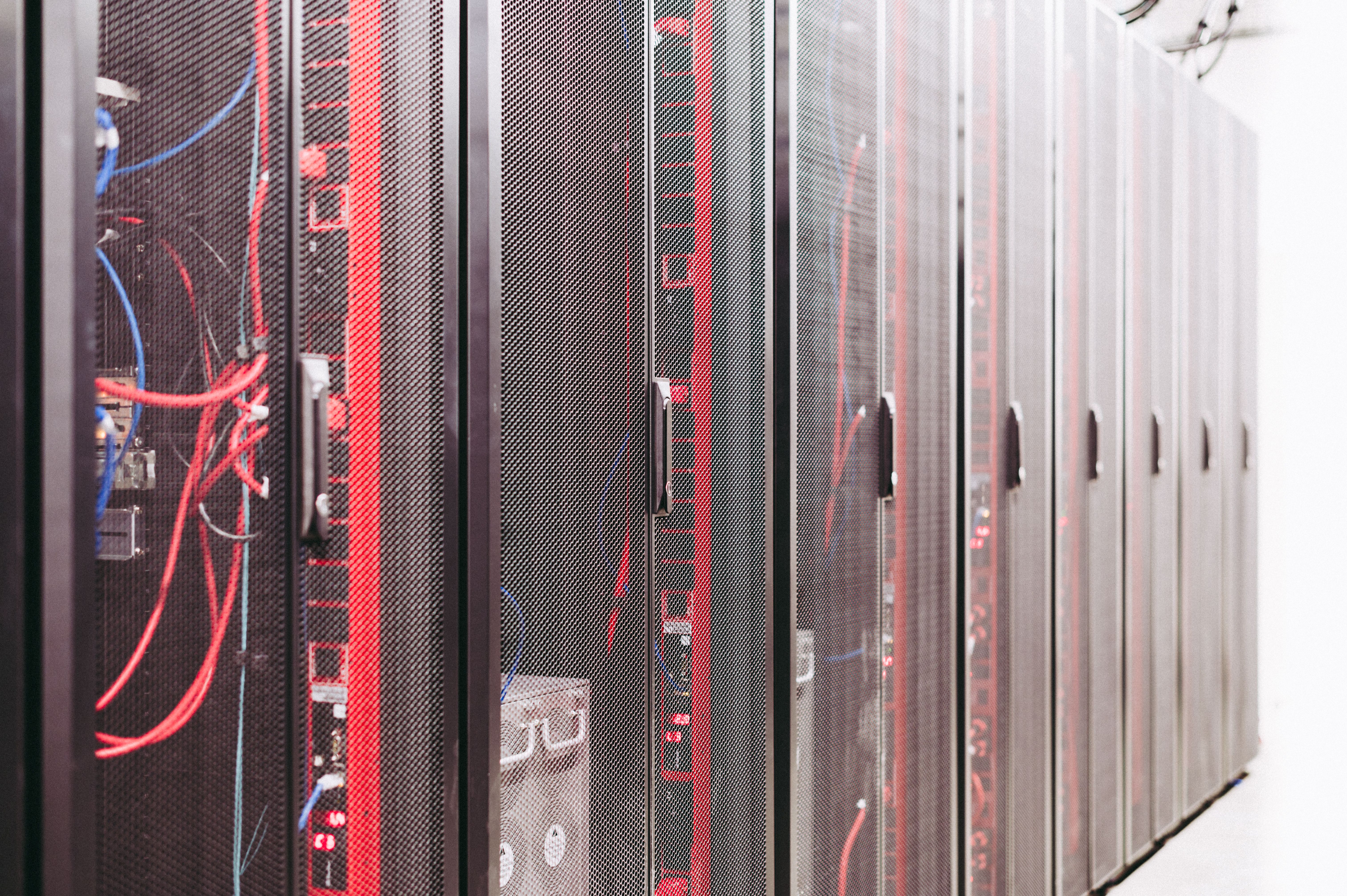
North America's data center industry absorbed a record 25 gigawatts of capacity in the first half of 2026, double the year-over-year pace, and Ohio sits squarely in the middle of the boom, according to a JLL report published Aug. 11.
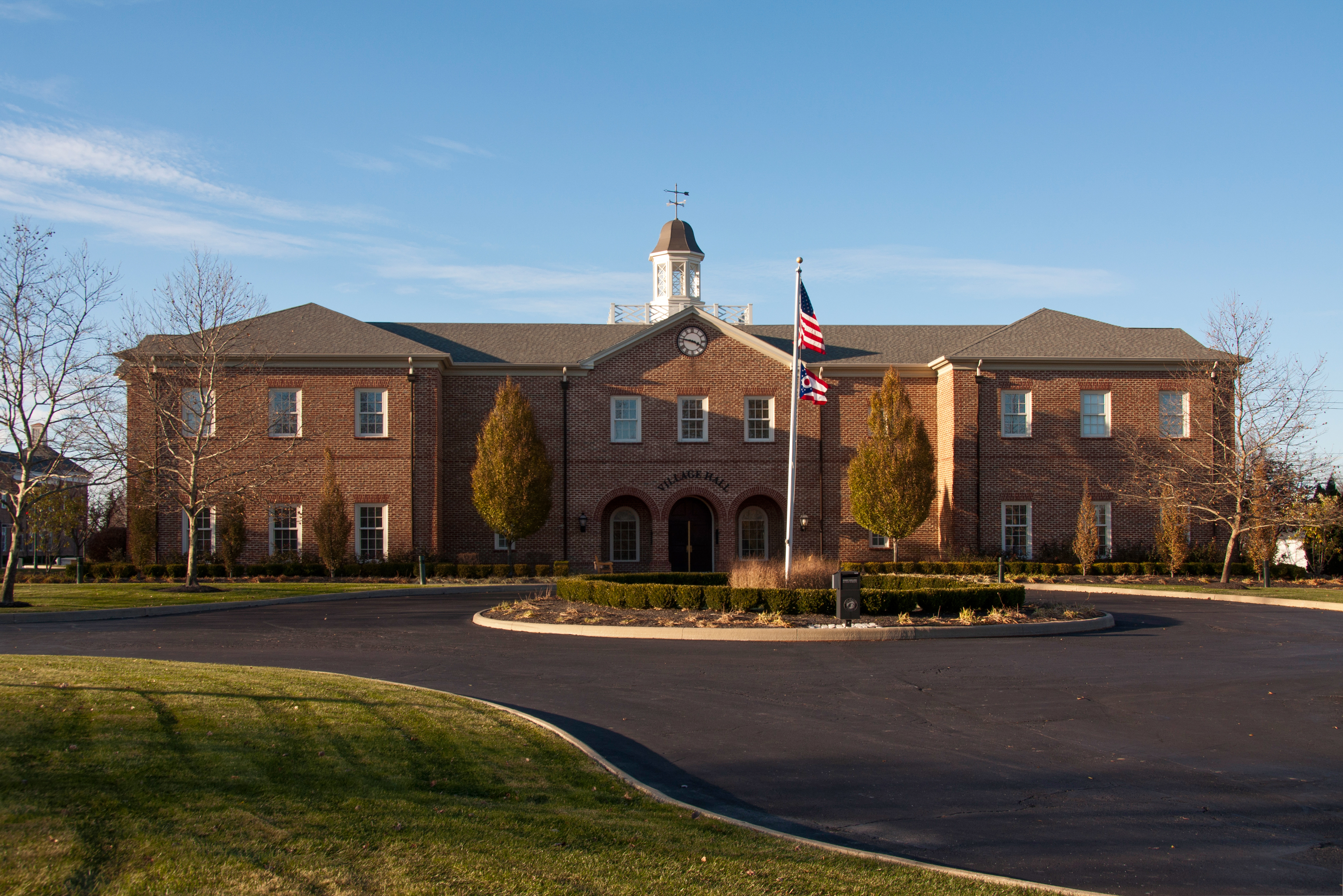
The commercial real estate firm's midyear report specifically names Ohio among "energy-rich, build-friendly markets" driving the national surge, alongside West Texas, Louisiana and the Carolinas. For New Albany, where 40 data centers have opened in the International Business Park since 2010 and 28 more are on the drawing board or under construction, the numbers underscore the city's position as the state's largest data center hub.
New Albany's Community Development Department reported 10.17 million square feet of commercial space under construction in June, up from roughly 6 million square feet in early 2024. Building permits issued through June totaled 619, already outpacing the 540 issued through the same period in 2025.
"The real story is how community acceptance, or lack thereof, has emerged as the defining challenge for this next phase of growth," Andy Cvengros, JLL executive managing director and co-lead of U.S. data center markets, said in the report.
That tension is measurable. JLL's research found 79 percent of Americans support U.S. leadership in artificial intelligence, but only 14 percent support data center development in their own community. The firm warned the gap "threatens to constrain the infrastructure buildout required to maintain AI competitiveness."
Local pushback, local answers
New Albany has navigated that friction longer than most. The city's official data center FAQ, updated in June, acknowledges only four noise complaints from operational data centers over more than 15 years of development, all resolved within days. A September 2025 complaint about noisy exhaust fans near Google's campus prompted the company to retain a sound engineer within two weeks; a permanent fix was scheduled for installation beginning in June 2026.
The city says it has not required additional water or sewer capacity from Columbus over the past decade, a timeframe covering all of New Albany's hyperscaler development. No companies in the business park draw groundwater from wells.
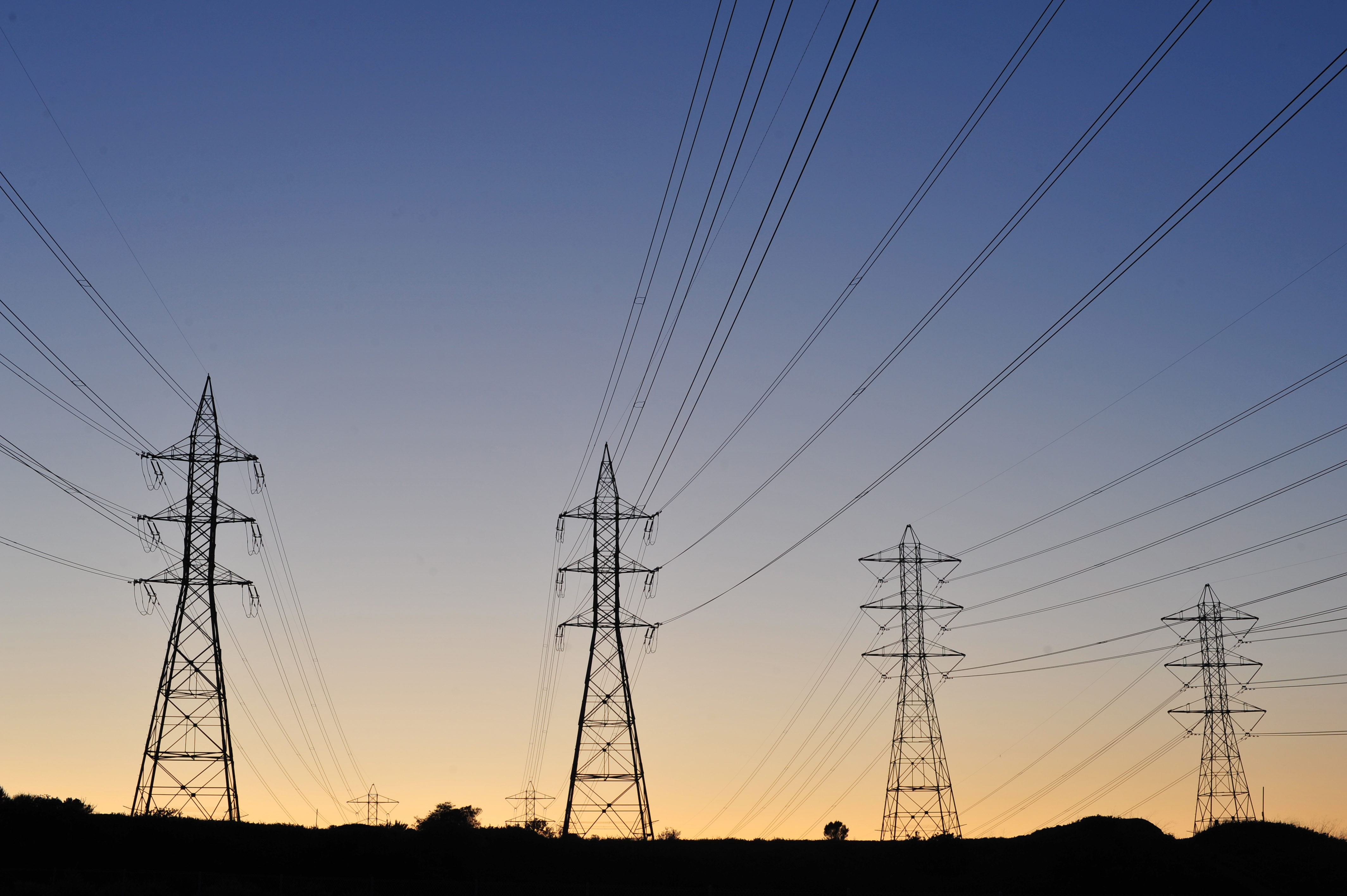
Still, the scale is enormous. Google's New Albany facility alone uses more than 405 million gallons of water annually and draws 250 megawatts of electricity, enough to power at least 160,000 average homes, according to ABC 6 reporting. Meta's $1.5 billion Beech Road campus is being built out as "Prometheus," which CEO Mark Zuckerberg has described as likely the world's first online gigawatt data center.
Statewide friction grows
Beyond New Albany, the political landscape is shifting. Jerome Township became the first Ohio local government to impose a data center moratorium in September 2025, with Washington Township and Lordstown following, according to Signal Ohio. State lawmakers have proposed at least six data center-related bills, and the Ohio Manufacturers' Association has asked the Ohio Supreme Court to reverse AEP Ohio's data center tariff, which requires operators to pay for at least 85 percent of their stated electricity needs.
New Albany Community Development Director Jennifer Chrysler told News 5 Cleveland in May that the city has been hosting tours for officials from other communities about twice a week. "We're just really trying to help educate people on what our experience has been," she said. "It doesn't mean that it's going to be the experience that everyone has."
The city's deal framework requires data centers to make minimum annual payments in exchange for partial property-tax abatement, structured so a campus with 200 to 250 employees generates the same revenue as an office complex with 2,000 workers. The business park now spans more than 9,000 acres, holds 43 million square feet of commercial space and has attracted $54 billion in private investment, according to the city's 2025 annual report.
Nationally, JLL expects rental rates to keep climbing 9 percent annually through 2030, with 95 percent of the 66 gigawatts under construction already pre-committed to tenants. Vacancy stands at 1 percent for the third straight year.