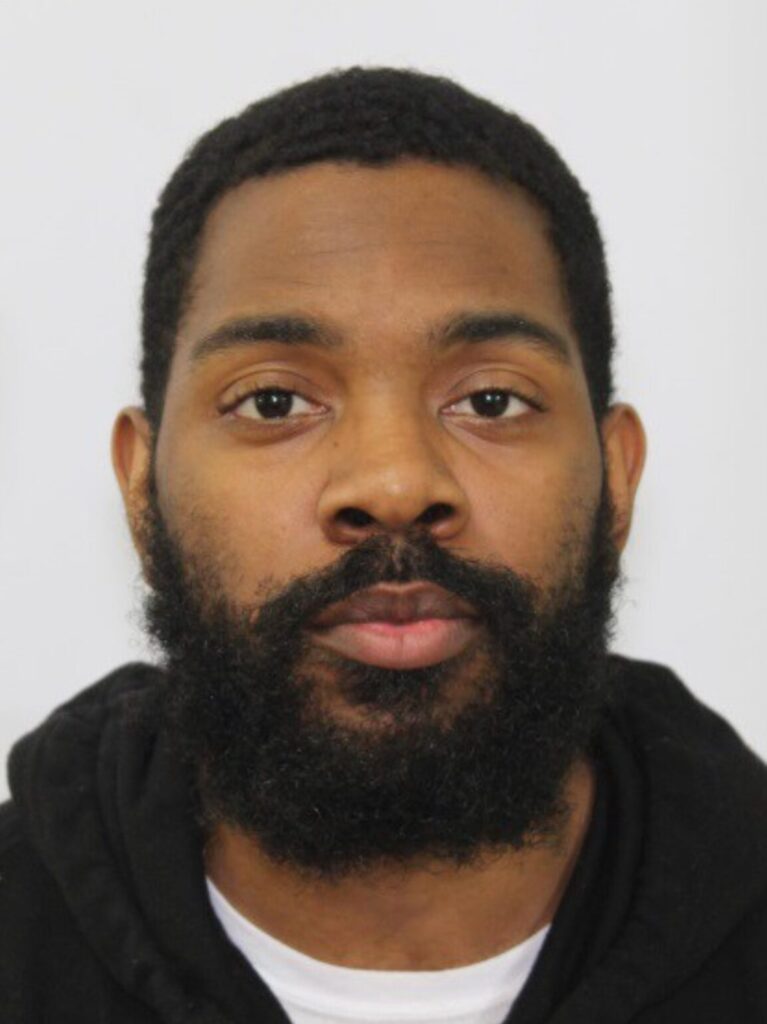
Bruce Foster III will spend the rest of his life in a psychiatric facility. A Licking County judge found him not guilty by reason of insanity Sept. 16 in the New Albany warehouse mass shooting that killed two people and injured four others in February 2025.
The verdict concluded a five-day bench trial that wrapped in late August. Attorneys on both sides have since explained what the outcome means for Foster, for the victims and for the legal process ahead.
Defense attorney Brandon Shroy told Spectrum News 1 the judge had to find, by a preponderance of the evidence, that Foster could not understand the wrongfulness of his conduct because of his mental illness. Shroy called the verdict correct.
Licking County Prosecutor Jenny Wells said the law presumes a defendant is sane. The burden fell on Foster's defense team to prove he did not know right from wrong when he opened fire at the KDC/One warehouse on Smiths Mill Road North.
Judge David Branstool said in court that there was no dispute among experts that Foster suffered from paranoid schizophrenia and was psychotic and delusional at the time of the shooting. He cited defense experts Dr. Bob Stinson and Dr. John Tilley, who evaluated Foster while he was still psychotic, as more persuasive than prosecution experts who met with Foster months later, according to NBC4.
What happens next
Foster remains in the Licking County Jail without bond. Branstool ordered a mental evaluation to be completed within 10 days of the verdict.
Under Ohio law, the court must hold a hearing within 10 court days of an insanity finding to determine whether the defendant is subject to a court-ordered commitment. If the court finds clear and convincing evidence of ongoing mental illness, it commits the person to the Ohio Department of Mental Health and Addiction Services.
Shroy told ABC6 on Sept. 17 that Foster will remain hospitalized for the rest of his life. He is expected to be placed at Central Ohio Behavioral Healthcare.
After the first six months, doctors must report to the court on Foster's status. Reports follow every two years after that, according to Wells and confirmed by Ohio's NGRI Reference Guide published by the state Supreme Court.
Gun access draws scrutiny
Shroy said he believes the shooting could have been prevented. He pointed to how easily Foster obtained a firearm.
Shroy said Foster walked in, bought a gun and passed every background check. "The ease with which somebody who's really sick can get a hold of a gun … was one of the biggest things that struck me," he told Spectrum News 1.
10TV reported Foster legally purchased the gun used in the shooting in September 2024.
Before that purchase, the Columbus Division of Police had placed Foster on involuntary psychiatric holds twice in 2022. Those holds, known as pink slips, are 24-to-72-hour evaluations issued when someone presents a risk to themselves or others.
Police records show Foster's family raised concerns about his mental health as early as three years before the shooting, reporting he was having possibly violent delusions and paranoia, according to 10TV.
Impact on victims
Assistant Licking County Prosecutor Tyler McCoy said one of the hardest parts of the case was explaining the verdict to victims. He said they will live with the trauma of Foster's actions for the rest of their lives.
New Albany Mayor Sloan Spaulding said in a statement that the city respects the court's decision but is disappointed by the outcome. Spaulding said the city will continue to stand with the families of Kyle Vaver, 38, and Shakhar Chapagai, 30, who were killed in the shooting.
Foster and KDC/One also face a civil lawsuit filed Feb. 2, 2026, on behalf of victims who alleged inadequate security at the warehouse, WOSU reported.
The placement hearing had not been publicly scheduled as of Sept. 21.