New Albany-Plain Local Schools retained its five-star overall rating for the second straight year, while Gahanna-Jefferson Public Schools held at four stars with a three-star mark in early literacy on the 2025-26 Ohio State Report Card.
The local results land as statewide data tells a mixed story. About 63% of Ohio third graders scored proficient on spring 2026 state tests, up from 61% in 2025 but still below the 65% recorded in 2024, according to a report first published by The 74 via the Ohio Capital Journal. The 2025-26 school year was the first in which every Ohio school was required to use science-of-reading methods, a phonics-based approach the state adopted in 2023.
New Albany holds near the top
New Albany-Plain Local ranked 31st out of 607 Ohio public school districts in the state's performance index, scoring 95.1, down slightly from 95.7 in 2025, according to a Cleveland.com ranking. The five-star rating, the highest possible, means the district "significantly exceeds state standards," according to the district's announcement.
Superintendent Jason Fine, in a Sept. 15 statement to families reported by the Columbus Dispatch, said the district has "strengths and opportunities for continuous improvement, but the results earned must be celebrated."
The district presented detailed report card data at its Aug. 24 Board of Education meeting.
Gahanna-Jefferson gains ground on equity
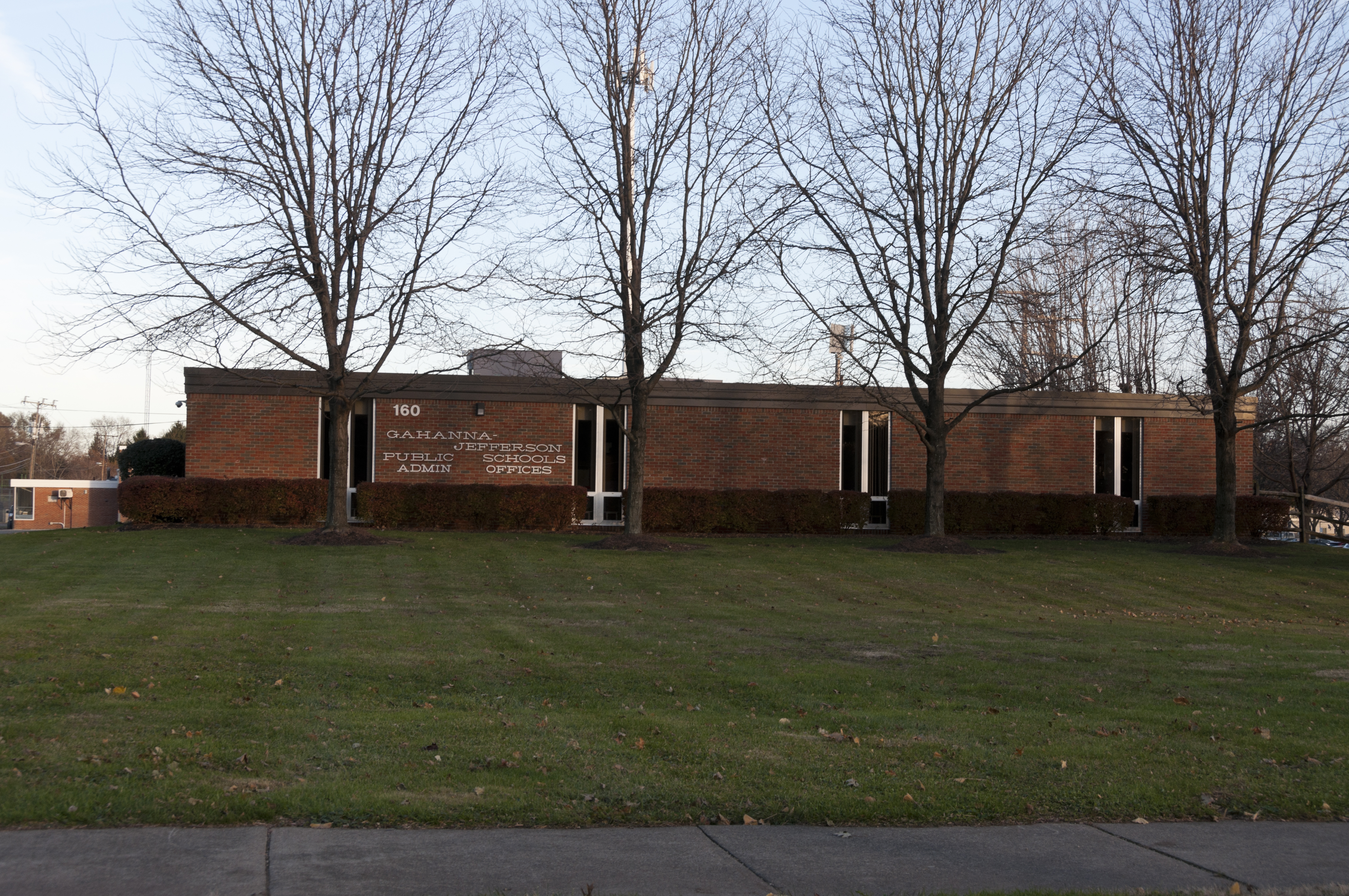
Gahanna-Jefferson maintained its four-star rating, meaning the district exceeds state standards. Its early literacy component held at three stars, a sign the district meets but does not exceed expectations in K-3 reading. Its Gap Closing rating, which measures how well a district serves disadvantaged student groups, jumped to a full five stars, according to the district's announcement.
The district's performance index rose from 81.7 to 82.7, placing it 245th statewide. Its elementary schools are in their second year using the Wit & Wisdom English language arts program, a research-based curriculum, according to the district's quality profile.
Superintendent Tracey Deagle said in the district's Sept. 18 announcement that the report card does not capture everything the district accomplishes but called the continued growth a reflection of strong family partnerships and staff commitment.
Statewide, the lowest scores keep growing
The two-point statewide gain masks a troubling trend at the bottom. The share of third graders scoring "limited," the state's lowest rating, rose to 21% in spring 2026, up from 20.9% in 2025 and 19.1% in 2023, the year Ohio passed the science-of-reading law.
Aaron Churchill, Ohio research director at the Thomas B. Fordham Institute, told The 74 on Oct. 7 that it is "too early to tell" whether the phonics mandate deserves credit. He pointed to Ohio's decision to allow parents to exempt their children from the guarantee’s retention requirement, a 2012 law that required schools to hold back third graders who could not pass the reading test. Under that law, the share scoring "limited" fell from 27% in 2016 to 14% in 2019. Churchill said the phonics mandate needs to be paired with the accountability a retention requirement provides.
Lisa Gray, president of Ohio Excels, a partnership of Ohio's chambers of commerce, acknowledged the progress but cautioned that nearly four in 10 students remain below proficiency. Gov. Mike DeWine, who championed the mandate and leaves office in January 2027, said in a statement that proficiency improved across every demographic group. Hispanic and Black students led with gains of 3.5 and 3.4 percentage points.
Families can find those results on the Ohio Department of Education and Workforce website.