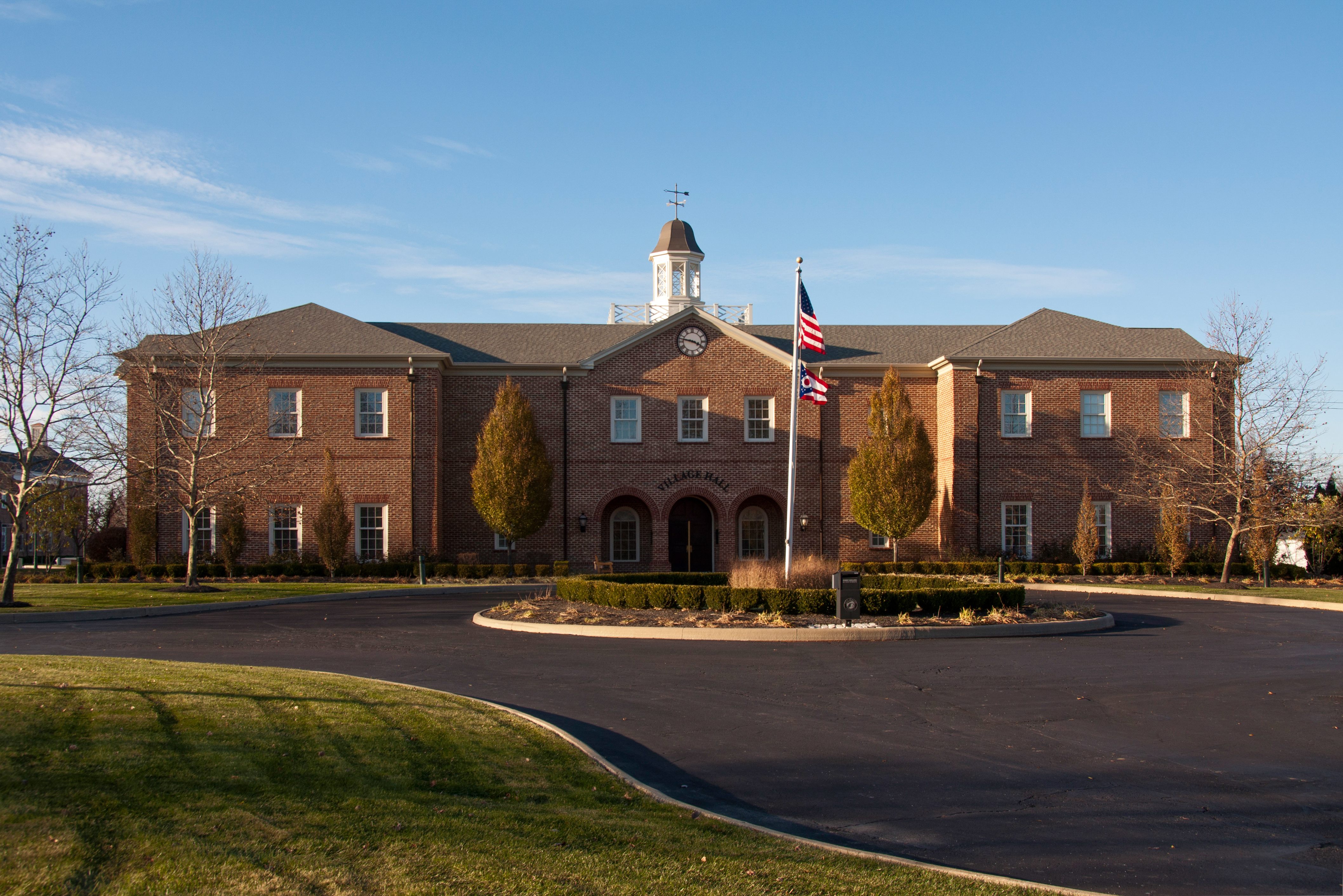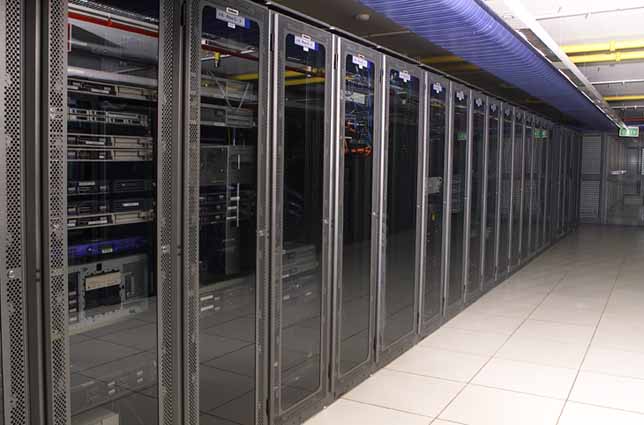
A Buckeye Institute researcher named New Albany as a model for how Ohio communities can profit from data center deals.
Greg Lawson, senior fellow at the Columbus-based think tank, pointed to New Albany in a Spectrum News 1 report published Aug. 26. He called it one Ohio community that "negotiated well" with data center developers.
"Communities that negotiate very well with the data centers when they come into a community can get a ton of benefits … This is in terms of property taxes or other sorts of things like payments that go into the local community," Lawson said.
New Albany's data center revenue
New Albany has hosted data centers since 2010 and now has close to 40 facilities, according to the city's data center website. Development Director Jennifer Chrysler confirmed that count at an April 21 council meeting.
Data center projects generated roughly $10 million in community development charge revenue in tax year 2024, according to the city's data center finance page. A single hyperscaler investment produced revenue equivalent to $178 million in payroll at the city's 2% income tax rate that same year.
That revenue helped New Albany earn AAA bond ratings from both Moody's and S&P. The city said data center revenue is funding a new park and an expansion of the New Albany Police Department.
Virginia county offers a benchmark
Lawson held up Loudoun County, Virginia, to show what strong negotiations can produce over time. Buddy Rizer, executive director of Loudoun Economic Development, told Spectrum News 1 that data centers sit on less than 3% of the county's land yet generate more than $1 billion in annual revenue. That money funds nearly one-third of the county's budget.
Since 2012, Loudoun County's property tax rate has dropped from about $1.29 to roughly 81 cents per $100 of assessed value. County officials estimate the reduction saves the average homeowner between $3,000 and $4,000 a year.
Tensions across Ohio
Lawson's assessment comes as other Ohio communities push back against data center growth. Pataskala and Sunbury approved ordinances in August to place hyperscale data center bans on November ballots, according to NBC4. Voters will decide whether to ban facilities that use 25 megawatts of power a month.
Ohio House Democrats sent a letter to Gov. Mike DeWine on June 23 urging the Public Utilities Commission of Ohio (PUCO) to create a dedicated rate class for large data centers so grid costs fall on those facilities rather than everyday ratepayers, according to a statement from the caucus.
As we reported Aug. 29, a statewide ban campaign could threaten New Albany's revenue model. Pataskala and Sunbury voters head to the polls in November.